
Understanding the Role of Luck in Casino Games
Luck plays a pivotal role in the excitement and unpredictability of casino games. Whether it’s the roll of the dice in craps or the shuffle of cards in blackjack, players often rely on chance to dictate the outcome. This element of randomness is what keeps players returning, fueled by the hope of hitting a jackpot or achieving the perfect hand, especially when they seek out a fast withdrawal casino canada that enhances their experience. However, it’s essential to understand that luck, while influential, is not the only factor that contributes to success in these games.
The very nature of games like slots, roulette, and baccarat revolves around chance, where outcomes are determined by random number generators or physical mechanisms. This makes luck a critical component of the experience. For many players, the allure of these games lies in the thrilling uncertainty of what will happen next, allowing them to escape from everyday life and dive into a world of possibility. The tension and anticipation of waiting for the result can be just as rewarding as the outcome itself.
However, while luck can lead to significant wins, it can also result in losses. Gamblers must recognize that relying solely on luck can be a double-edged sword. Understanding the cyclical nature of luck can help players maintain a balanced perspective, encouraging them to set limits and play responsibly, knowing that fortunes can change rapidly in the casino environment. Ultimately, a healthy respect for luck can enhance the gaming experience, allowing players to enjoy the thrill without succumbing to recklessness.
The Importance of Skill in Card Games
In contrast to purely chance-based games, many card games require a substantial degree of skill and strategy. Titles like poker and blackjack demand players to understand the nuances of each game, including optimal strategies and probabilities. Developing a solid grasp of these elements can significantly enhance a player’s chances of winning, allowing them to make informed decisions that maximize their potential for success. The strategic layer adds depth to the gameplay, transforming a simple card game into an intellectual challenge.
For instance, in poker, the ability to read opponents and manage one’s own betting strategy is crucial. Players must assess risks, evaluate the strength of their hand, and anticipate the behavior of their competitors. This strategic thinking can often outweigh the influence of luck in determining the outcome of a session. As a result, seasoned players who continuously refine their skills can consistently outperform those who rely solely on luck, creating a competitive edge that can be leveraged in various gaming situations.

Moreover, the strategic aspect of card games fosters a deeper engagement and enjoyment for players. The intellectual challenge and the thrill of outsmarting an opponent can be just as rewarding as hitting a lucky streak. This balance between strategy and luck creates a dynamic experience that appeals to a wide range of players, from casual gamers to professionals seeking competitive edges. As players invest time in honing their skills, they often find a greater sense of accomplishment, leading to a more fulfilling gaming experience.
Finding the Balance Between Luck and Strategy
To succeed in the casino environment, players must learn how to balance luck and strategy effectively. Understanding when to rely on instinct and chance versus when to apply strategic thinking is crucial. Each game has its unique dynamics; thus, players must adapt their approaches accordingly. For example, the randomness of a slot machine requires a different mindset compared to the calculated gameplay of poker. Recognizing these differences can help players tailor their strategies to fit the game, maximizing their chances of success.
This balance often involves analyzing the odds and house edges associated with different games. By understanding the statistical probabilities that govern the games they play, players can make more informed choices about where to place their bets. This knowledge empowers players to manage their expectations and understand how luck interacts with skill in shaping outcomes. A player who comprehends the odds is less likely to chase losses recklessly and more likely to make strategic decisions that align with their goals.
Additionally, embracing this balance can lead to a more fulfilling gaming experience. Players who appreciate both the thrill of chance and the satisfaction of strategic play often find themselves enjoying their time at the casino more. It encourages a mindset of growth and learning, as players continually seek to improve their skills while recognizing the unpredictable nature of luck. This ongoing journey of self-improvement not only enhances their gaming prowess but also enriches their overall understanding of the casino landscape.
Psychological Aspects of Gambling: The Role of Emotion
The psychological aspects of gambling significantly influence how players navigate the intersection of luck and strategy. Emotions can shape decision-making processes, often leading players to make impulsive bets based on excitement or frustration rather than sound strategy. Understanding the role of emotions in gambling is essential for achieving a balanced approach. Players who are aware of their emotional triggers can develop techniques to mitigate their effects and maintain a level-headed approach.
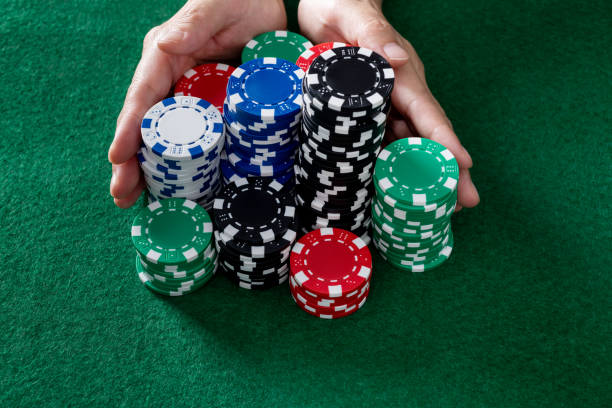
For instance, the adrenaline rush of a win can create a euphoric state, which may lead players to deviate from their strategic plans. Alternatively, a streak of losses can evoke feelings of desperation, pushing players to chase their losses and make rash choices. Recognizing these emotional triggers allows players to manage their reactions and maintain a more measured approach in their gameplay. Establishing a clear mindset can help players navigate the ups and downs of the game without being overly swayed by their emotions.
Moreover, mental discipline is a crucial skill in the casino world. Players who can remain calm, regardless of the outcomes, are often more successful in making strategic decisions. Implementing techniques such as setting strict limits on time and money spent can help mitigate emotional influences, ensuring that players maintain control over their gambling experiences rather than succumbing to the whims of luck. Building this discipline can lead to a more enjoyable and responsible gaming experience, where players can savor the thrill without compromising their well-being.
Exploring Resources for Gamers
For those looking to enhance their understanding of the balance between luck and strategy in casinos, numerous resources are available. From books and instructional videos to online forums and coaching sessions, players can find valuable insights and strategies that cater to various games. Learning from seasoned professionals and fellow players can provide unique perspectives and techniques that improve one’s gaming skills. Engaging with these resources not only fosters personal growth but also builds a sense of community among players.
Additionally, many casinos offer workshops or seminars that focus on teaching strategies for popular games. Participating in these sessions can give players hands-on experience while deepening their comprehension of game mechanics and strategic approaches. Engaging with these resources fosters a community of learners who are eager to share knowledge and experiences, ultimately enhancing the overall gaming environment. This collaborative spirit can lead to lasting friendships and a supportive network for players seeking to improve their skills.
Ultimately, finding the right balance between luck and skill requires ongoing education and practice. Players who are committed to improving their game will benefit from exploring various resources that promote strategic skill development. As they refine their techniques and understand the role of luck, they will enhance their overall enjoyment and success in the casino landscape. The journey of learning can be just as rewarding as the gaming itself, making the casino experience rich and fulfilling.